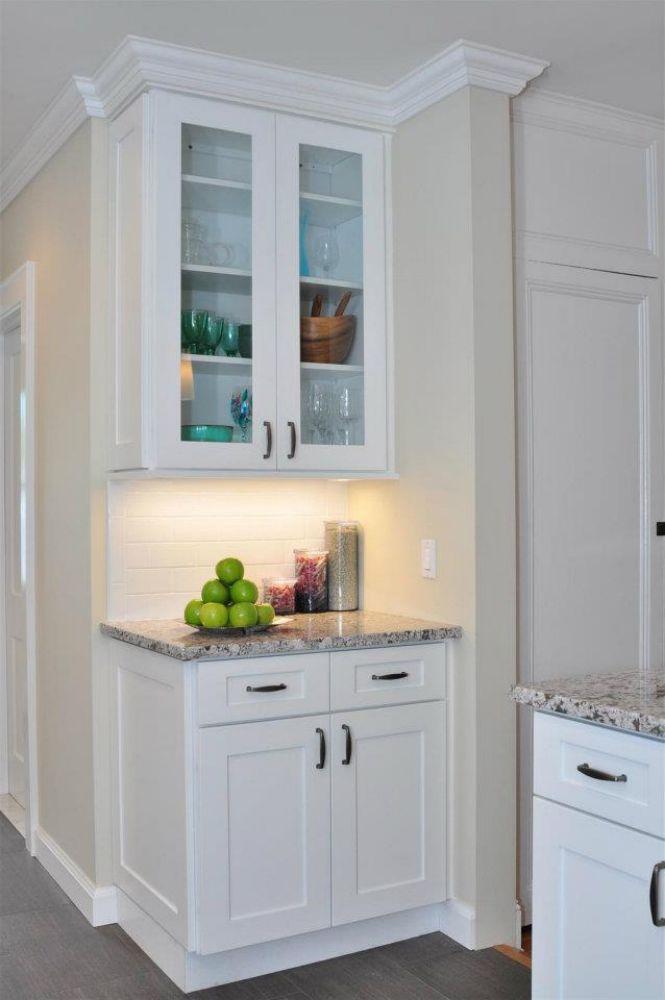
Can I install new hardware on existing kitchen cabinets?
Refreshing the look of your cabinets doesn’t always require a full remodel. Installing new hardware can transform the appearance of your space with minimal effort and cost. Whether you’re aiming for a modern, sleek vibe or a classic, timeless feel, upgrading knobs, pulls, and hinges can make a dramatic difference. In this guide, we’ll explore everything you need to know—from assessing your existing setup to choosing the perfect pieces and executing a flawless installation—all while keeping your home pet friendly and functional.
Benefits of Updating Your Cabinet Hardware
Upgrading your cabinet hardware offers several advantages:
-
Cost-Effective Makeover
A hardware swap is far cheaper than replacing entire cabinets. You get a fresh look without the expense of cabinetry materials or professional carpentry. -
Personalized Style
With countless finishes and designs—brushed nickel, matte black, brass—you can match your décor or create an eye-catching contrast. -
Enhanced Functionality
New hardware can improve ergonomics. Longer pulls or larger knobs make opening heavy doors easier, which is especially helpful in a home with children or seniors. -
Increased Home Value
Small upgrades add up. Potential buyers notice modern details, which can boost appeal and resale value. -
Quick Project
Most installations take just a few hours, making this a perfect weekend DIY.
Assessing the Condition of Your Current Cabinets
Before you jump into shopping for hardware, evaluate your existing units:
-
Structural Integrity
Check for loose doors, warped drawers, and peeling finishes. If the cabinet faces are damaged, new hardware might accentuate flaws. -
Material Compatibility
Solid wood vs. MDF will dictate the type of screws and anchors you need. Softwoods may require pilot holes to prevent splitting. -
Existing Hole Placement
Measure the distance between screw holes (center-to-center). Standard sizes are 3″, 3.5″, 5″—keeping this consistent will save time. -
Weight Capacity
Heavy pulls demand robust backplates. If you’re installing large handles on lightweight doors, consider reinforcement behind the mounting point. -
Finish Condition
Ensure the surface around current holes is smooth and free of old filler or paint. A clean surface ensures hardware sits flush.
Choosing the Right Hardware for Your Cabinets
Selecting hardware involves more than just picking a pretty finish:
-
Style Harmony
Match your cabinet profile. Shaker-style doors pair well with simple bar pulls, while raised panels might suit ornate knobs. -
Proportional Sizing
Measure your drawer and door faces. A 6″ drawer should have a pull of at least 4″ for balance. -
Finish Selection
Consider touches like faucets and light fixtures. Consistent finishes—such as matte black or oil-rubbed bronze—create cohesion. -
Ergonomics and Accessibility
If someone in your household has limited mobility, opt for larger, easier-to-grasp pulls. -
Budget and Quality
Solid brass or stainless steel lasts longer than plated alloys. Weigh upfront cost against longevity.
Tools and Materials Needed for Installation
Gathering the right tools ensures a smooth process:
-
New knobs, pulls, or hinges
-
Measuring tape and ruler
-
Pencil and masking tape
-
Power drill with appropriate bits
-
Screwdriver (manual or electric)
-
Wood filler or plugs (if covering old holes)
-
Fine-grit sandpaper
-
Level and square
-
Protective gloves and safety glasses
-
Drop cloth to protect your kitchen cabinets
Note: The link above leads to a resource with a wide range of cabinetry inspiration and tips.
Step-by-Step Guide to Installing New Hardware
Follow these steps for a professional-looking result:
-
Preparation
Lay down the drop cloth and remove all items from drawers and cabinets. Label each door/drawer with masking tape to track original positions. -
Remove Old Hardware
Unscrew existing knobs and pulls. Keep screws if they fit new hardware; otherwise, recycle or discard. -
Fill and Sand Old Holes
If changing hole spacing, fill old holes with wood filler. Once dry, sand flush for a smooth surface. -
Mark New Hole Locations
Use a template or jig to mark pilot holes. Double-check alignment with a level and square to ensure straight pulls. -
Drill Pilot Holes
Select a drill bit slightly smaller than your screw diameter. Drill perpendicular to the cabinet face to prevent angled pulls. -
Attach Hardware
Insert screws from the inside of the door/drawer. Hold the exterior piece flush, then tighten screws just enough to hold firm—avoid overtightening, which can strip holes. -
Check Alignment
Step back and inspect. All hardware should line up horizontally and vertically. Make minor adjustments if necessary by loosening screws and repositioning. -
Final Tightening
Once aligned, fully tighten screws. Wipe away any pencil marks or dust.
Tips for a Flawless Finish
-
Use a Installation Jig
A drilling jig ensures consistent hole placement across all doors and drawers. -
Pilot Hole Depth Stop
Wrap tape around your bit to avoid drilling too deep, which can damage interiors. -
Protective Backing
Place a scrap piece of wood behind the cabinet face when drilling to prevent splintering. -
Pet Friendly Precautions
Keep pets in another room during drilling to avoid loud noises and flying debris. -
Consistent Gentle Cleaning
After installation, wipe hardware with a soft cloth and mild soap. Avoid harsh chemicals.
Maintenance and Care for Your New Hardware
-
Regular Dusting
A microfiber cloth prevents grit buildup that can scratch finishes. -
Avoid Abrasives
Steel wool or scouring pads can remove protective coatings. -
Lubricate Hinges Annually
Apply a drop of silicone-based lubricant to keep movements smooth. -
Inspect for Loose Screws
Quarterly checks ensure knobs and pulls remain secure, preventing cabinet damage.
Why Choose Us?
Our expertise in kitchen transformations ensures:
-
Detail-Oriented Service: We focus on precise measurements and flawless installations.
-
Quality Materials: Sourced hardware that withstands daily use.
-
Customized Solutions: Advice tailored to your style and functional needs.
-
Pet Friendly Approach: We take extra care to maintain a safe, low-stress environment for every member of your household.
Conclusion
Installing new hardware on your existing cabinets is one of the easiest and most cost-effective ways to refresh your kitchen’s look. With the right planning, tools, and attention to detail, you can achieve a professional finish that enhances both form and function. Remember to assess your cabinets, choose hardware that complements your design, and follow precise installation steps. The result? A revitalized space—complete with charming knobs and pulls—that reflects your personal style and keeps your home comfortable for everyone, including your furry friends.
Frequently Asked Questions
Q: Can I install new hardware on existing kitchen cabinets?
A: Absolutely. As long as your cabinet faces are in good condition and you have the correct tools, you can swap out old hardware for new knobs or pulls in just a few simple steps.
Q: What tools do I need for hardware installation?
A: You’ll need a power drill, screwdriver, measuring tape, pencil, level, and possibly wood filler and sandpaper if you’re covering old holes.
Q: How do I ensure hardware holes line up perfectly?
A: Use an installation jig designed for cabinet hardware or create a paper template with precise measurements to mark pilot holes consistently.
Q: Can I mix different hardware styles in one kitchen?
A: It’s best to stick to one finish and style for cohesion. However, you can mix shapes—like combining knobs on doors with pulls on drawers—while keeping the finish uniform.
Q: Will drilling new holes damage my cabinet doors?
A: If you use the correct drill bit, a backing board, and steady pressure, you can drill clean holes without splintering or cracking the material.
Q: How do I maintain the new hardware finish?
A: Regularly dust with a soft cloth, avoid abrasive cleaners, and apply a protective wax or silicone lubricant to hinges once a year to keep everything operating smoothly.